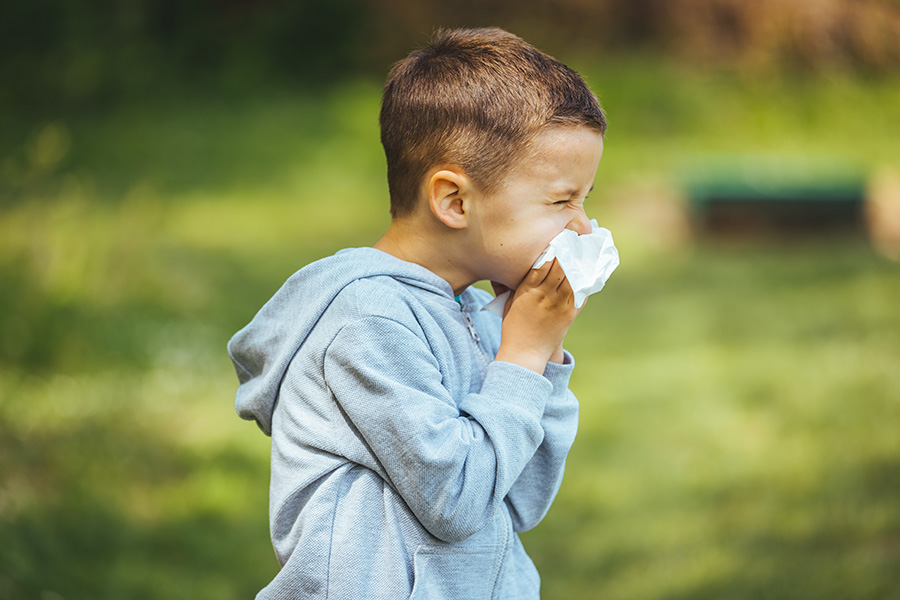
Spring has sprung, and, like clockwork, the nightmare of allergies is back. Sneezing, red eyes, an itchy nose, as well as a cough and shortness of breath. Allergies can affect anyone, adults and children alike, and have an impact on quality of life. These can be caused by a variety of factors, including genetic predisposition and environmental conditions; symptoms may occur occasionally (intermittent or seasonal forms) or persistently (perennial forms, with symptoms lasting for several consecutive months in a year).
Among the various types of allergies, rhinitis is one of the most common: it is an inflammation of the nasal mucosa and presents with symptoms such as a blocked nose, a runny nose and sneezing, as well as watery, red and itchy eyes. Seasonal allergies are simply the manifestation of a defensive reaction to certain foreign substances, known as allergens. Normally, these substances are harmless to our bodies, but in people with allergies or atopic conditions, they are perceived as dangerous by the immune system. When a specific allergen comes into contact with the mucosa of the nose, eyes and throat, the body identifies it as harmful and overreacts in an attempt to combat it.
Respiratory allergens are airborne. The main ones are:
Seasonal pollen: cypress and cypress family, olive, grasses, mugwort and ragweed, pellitory.
Year-round allergens: dander from dogs, cats, horses and hamsters; house dust mites; mould spores.
Occupational allergens: latex for healthcare workers, flour for bakers.
Allergic rhinitis: advice and remedies
When sneezing and a blocked nose seem inescapable, there are various ways to prevent and manage these symptoms, both at home and out and about.
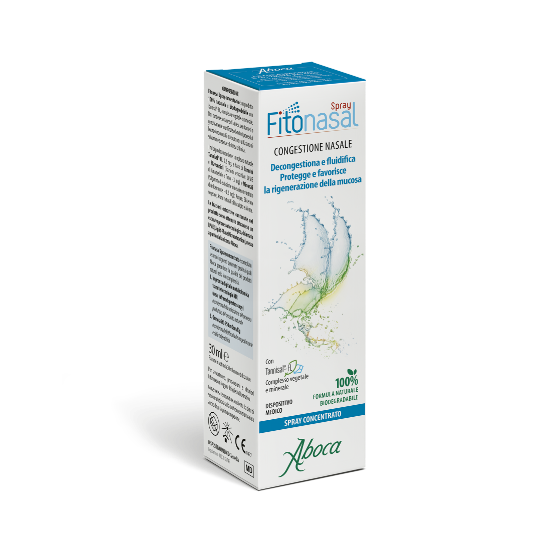
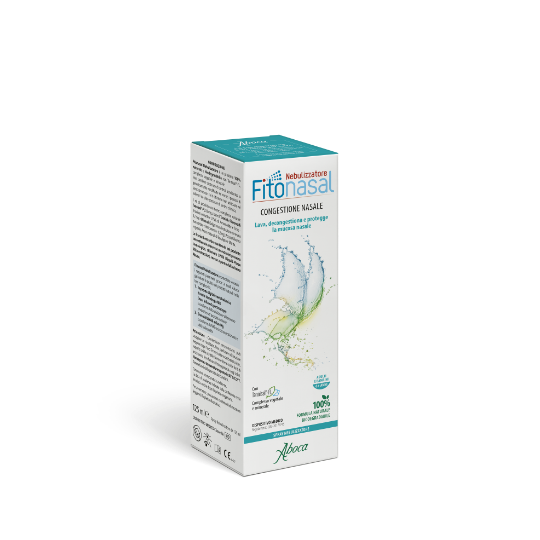
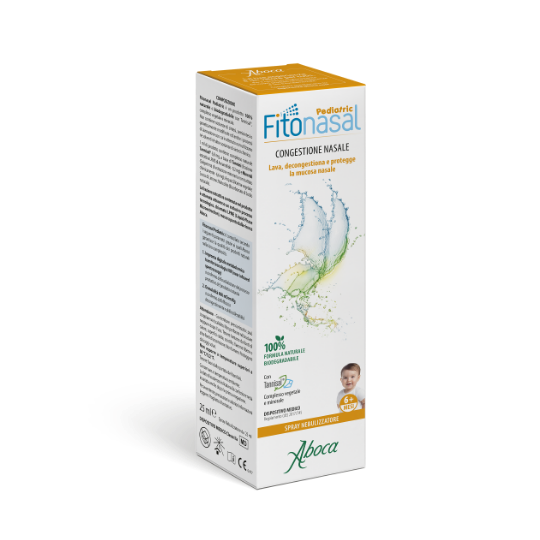
Depending on the severity of the condition, the specialist may prescribe corticosteroids and antihistamines to treat allergic rhinitis. These may be administered orally or via nasal spray, or the patient may undergo allergen-specific immunotherapy (also known as allergy shots). In addition to these treatments, specific products that act directly on the nose, such as decongestant sprays and nasal mucosa protectants, may be helpful in relieving the main symptoms of allergies. Furthermore, relief in such circumstances can also be provided by using products that combine decongestant and protective properties with a cleansing action, to remove allergens trapped in the mucus and ease breathing, thereby helping to prevent and manage nasal irritation.
Out of the house
Always check the pollen forecasts of the plants you are allergic to.
Take care when going out on dry, windy days, especially between 10:00 and 16:00, when pollen levels are at their highest.
When travelling by car or train, keep the windows closed and, if possible, use the air conditioning.
In some cases, wearing a face mask may also help to reduce contact with plant pollen.
At home and indoors
Pay particular attention to armchairs, rugs, carpets, upholstery and curtains, as well as cushions and bed linen, where dust and pollen can accumulate and be difficult to remove; if possible, clean them regularly.
Air out the rooms in your home early in the morning or in the evening to maintain an optimal level of humidity.
Use a vacuum cleaner with HEPA filters to clean your home, and perhaps use an air purifier in the bedroom.
Do not hang your washing outside to prevent it from collecting pollen.
When you get home, change your shoes and clothes straight away. In addition, wash your hair every day to prevent pollen trapped in your hair from settling on your pillow overnight and being inhaled.
 it
it fr
fr es
es de
de pl
pl be-fr
be-fr en
en pt
pt
 bg
bg el
el ro
ro be-nl
be-nl